

By Jean Broge, Manager, Content and Product Development at AMPP
Artificial Intelligence (AI) is not a tool that can be held in one’s hand or installed like traditional inspection equipment. Its value depends entirely on the quality, structure, and consistency of the data used to train it.
During Monday’s AMPP symposium, Pipeline Safety and Asset Integrity Management, Dr. Hongbo Ding told a packed room during his presentation, “Strategic Foundations for AI Adoption in Pipeline Corrosion Control,” that it may be time for the industry to “go back to basics” to obtain reliable datasets grounded in an updated understanding of cathodic protection (CP) behavior and field measurement practices developed over more than a century of application.
He was speaking specifically about CIPS (close-interval potential survey), a high-resolution CP survey used to verify that buried pipelines are electrically protected against corrosion along their entire length. Regulations from the U.S. Pipeline and Hazardous Materials Safety Administration (PHMSA) require operators to monitor and verify CP across the nearly three million miles of regulated pipeline infrastructure in the United States, and CIPS has become the industry’s preferred high-resolution method for assessing protection levels along a pipeline right-of-way.
Despite its widespread use, CIPS remains both labor-intensive and highly dependent on field practices and expert interpretation. Survey spacing, interruption techniques, data formats, and reporting conventions often vary between operators and contractors, producing datasets that are difficult to aggregate or compare across systems. As a result, much of the industry’s historical CP data exists in formats that are not immediately suitable for automated analysis.
Dr. Ding emphasized that before artificial intelligence (AI) can be effectively applied to CIPS interpretation, the industry must first address these foundational issues by standardizing how survey data is collected, structured, and interpreted. Only with consistent and well-labeled datasets can reliable AI models be developed to support automated analysis and more consistent integrity decision-making.
The challenge is not purely technical. Much of the expertise required to interpret complex cathodic protection survey profiles has traditionally been developed through decades of field experience. As the pipeline industry seeks to modernize integrity management practices, capturing this knowledge within structured digital datasets is becoming increasingly important.
Presentations throughout the symposium reflected a broader industry shift toward data-driven asset integrity management, where standardized measurements, integrated datasets, and digital analysis tools can support more proactive and predictive approaches to maintaining pipeline safety and reliability.
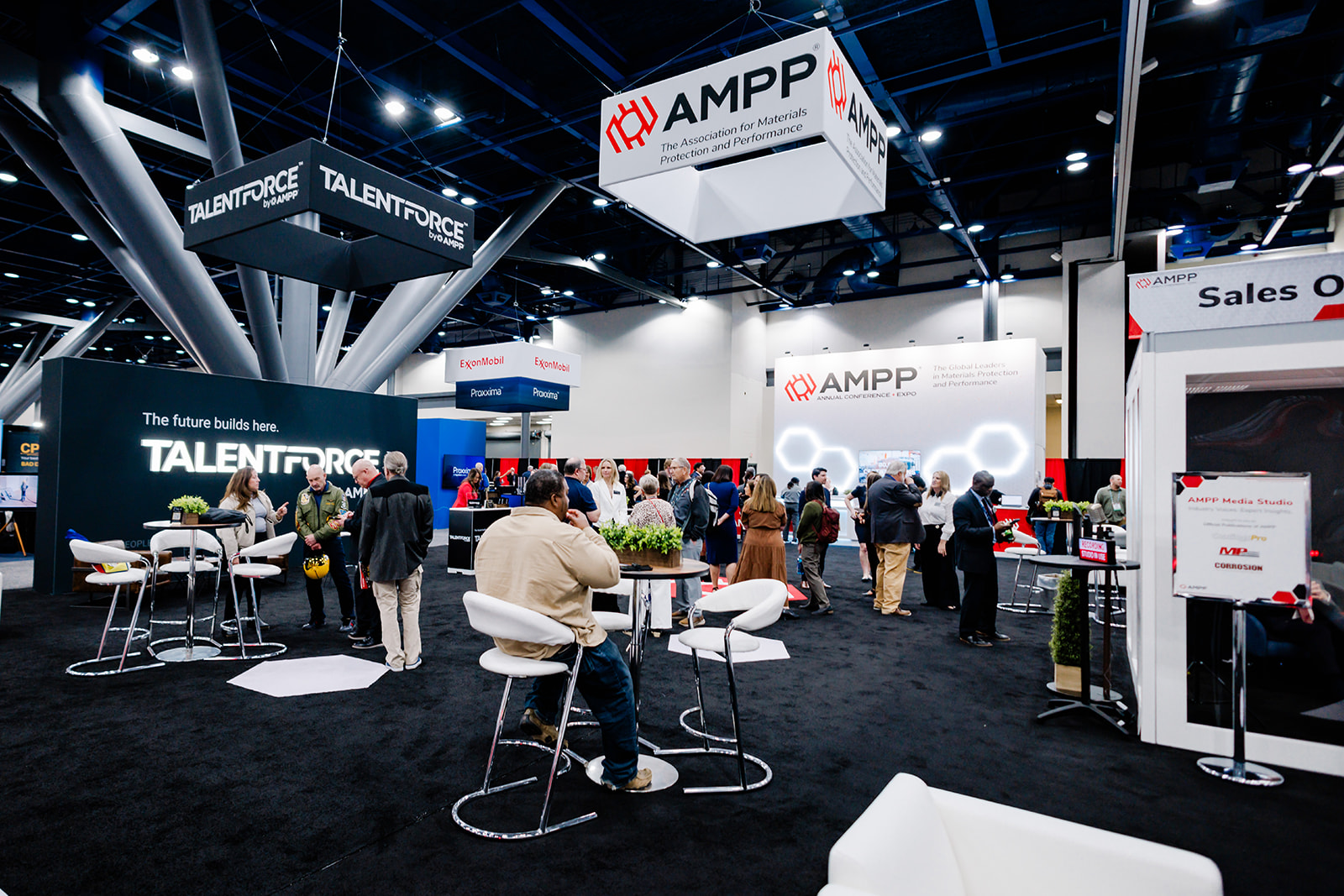 TalentForce Hosts Inaugural Workforce Development Panel at AMPP 2026
TalentForce, AMPP’s new company, held its inaugural workforce development panel on Tuesday afternoon. The discussion highlighted the need to design and update models and for programs to be more modern.
Read more Jobsite Challenges Forum Offers Real-World Perspectives
 Maintaining safety on jobsites is critical to ensuring operational success. Learn strategies aimed at enhancing safety, ensuring compliance, and improving practices during the “Jobsite Challenges, Strategies, and Safety Programs” forum on Tuesday afternoon.
Read more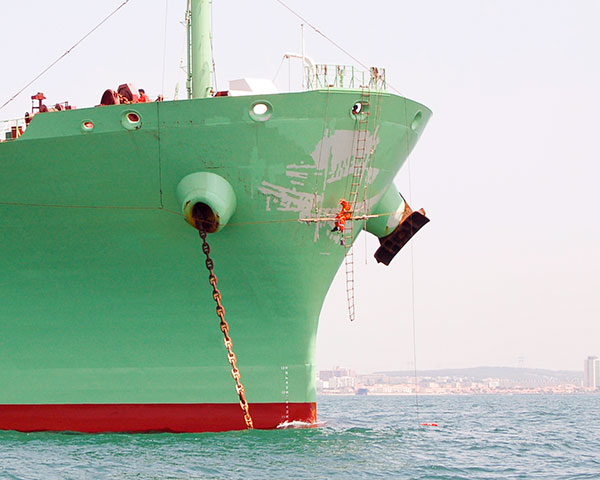 Marine Coating Performance Under Pressure: Challenges and Innovations
 Although corrosion persists as a costly challenge within the marine coatings industry, this forum will explore practical realities and solutions for extending service life and reducing lifecycle costs within some of the harshest environments on Earth.
Read more